|
description |
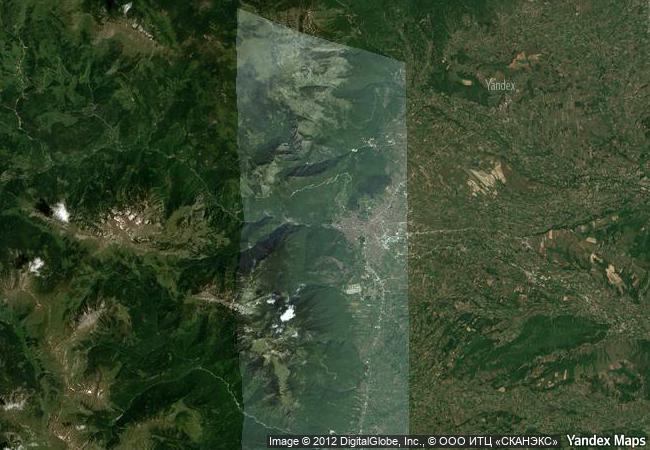
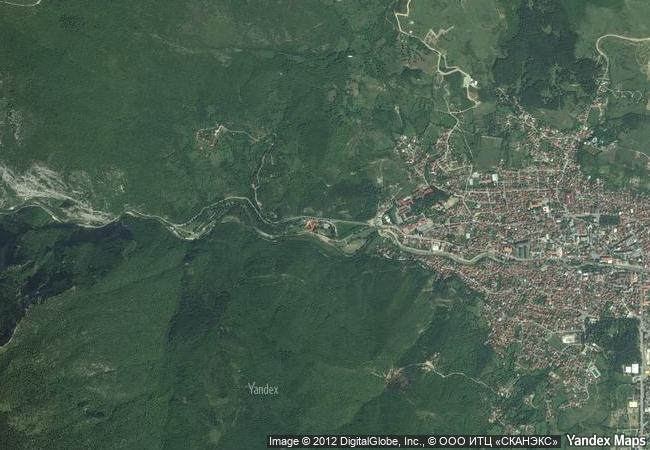
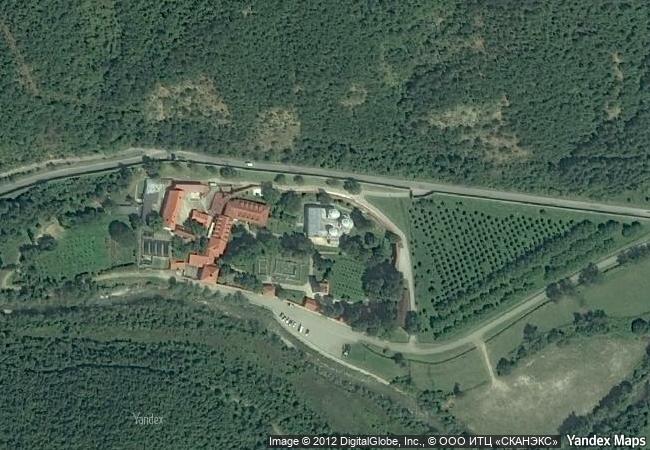
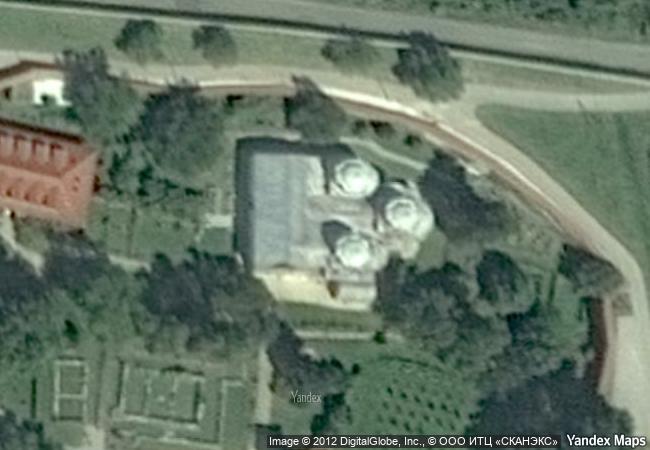
the four edifices of the site reflect the high points of the byzantine-romanesque ecclesiastical culture, with its distinct style of wall painting, which developed in the balkans between the 13th and 17th centuries. the dečani monastery was built in the mid-14th century for the serbian king stefan dečanski and is also his mausoleum. the patriarchate of peć monastery is a group of four domed churches featuring series of wall paintings. the 13th-century frescoes of the church of holy apostles are painted in a unique, monumental style. early 14th-century frescoes in the church of the holy virgin of ljevisa represent the appearance of the new so-called palaiologian renaissance style, combining the influences of the eastern orthodox byzantine and the western romanesque traditions. the style played a decisive role in subsequent balkan art. |
|


 0
0




 1 X ™ unesco
 Info
Info
 Map
Map
 similar
 language