Imperial Tombs of the Ming and Qing Dynasties
Nanjing City, Jiangsu Province (Xiaoling Tomb); Changping District, Beijing (Ming Tombs)
|

|
Identifier |
1004 |
|

|
states |
cn |
|

|
category |
cultural |
|

|
criteria |
(i)(ii)(iii)(iv)(vi) |
|

|
Title |
imperial tombs of the ming and qing dynasties |
|

|
latitude |
41.7072219849 |
|

|
longitude |
124.7938919067 |
|

|
location |
nanjing city, jiangsu province (xiaoling tomb); changping district, beijing (ming tombs) |
|

|
Region |
asia and the pacific |
|

|
year |
2000 |
|

|
unique number |
1172 |
|

|
description |
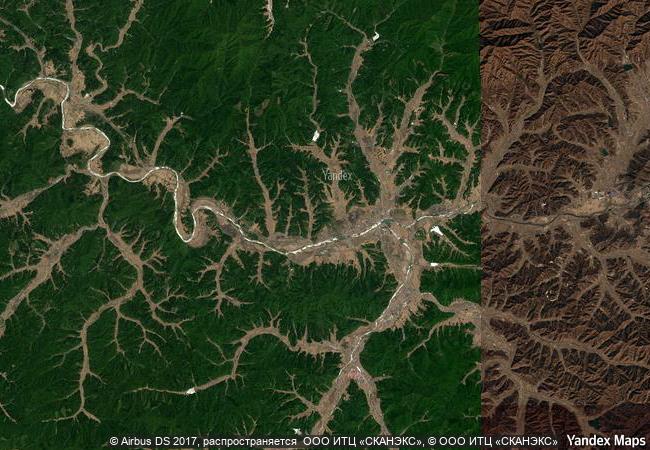
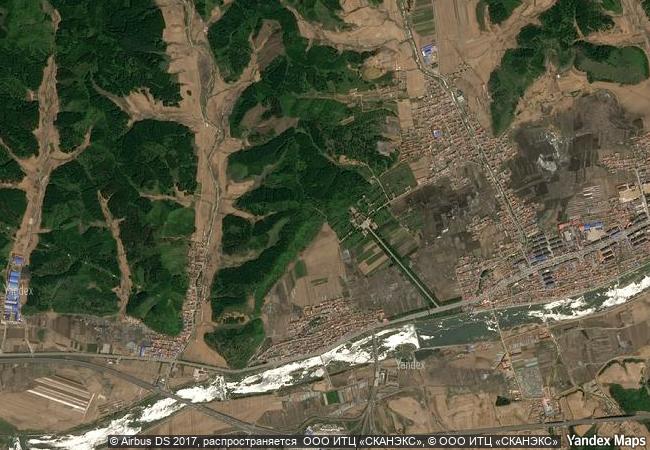
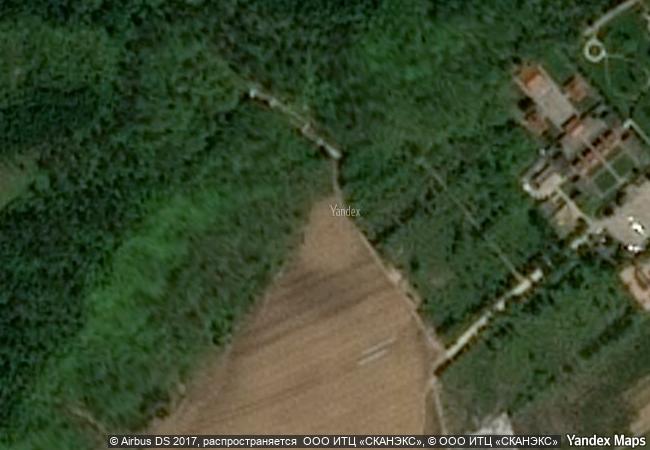
it represents the addition of three imperial tombs of the qing dynasty in liaoning to the ming tombs inscribed in 2000 and 2003. the three imperial tombs of the qing dynasty in liaoning province include the yongling tomb, the fuling tomb, and the zhaoling tomb, all built in the 17th century. constructed for the founding emperors of the qing dynasty and their ancestors, the tombs follow the precepts of traditional chinese geomancy and fengshui theory. they feature rich decoration of stone statues and carvings and tiles with dragon motifs, illustrating the development of the funerary architecture of the qing dynasty. the three tomb complexes, and their numerous edifices, combine traditions inherited from previous dynasties and new features of manchu civilization. |
|

|
justification |
criterion (i): the harmonious integration of remarkable architectural groups in a natural environment chosen to meet the criteria of geomancy (fengshui) makes the ming and qing imperial tombs masterpieces of human creative genius.
criteria (ii), (iii) and (iv): the imperial mausolea are outstanding testimony to a cultural and architectural tradition that for over five hundred years dominated this part of the world; by reason of their integration into the natural environment, they make up a unique ensemble of cultural landscapes.
criterion (vi): the ming and qing tombs are dazzling illustrations of the beliefs, world view, and geomantic theories of fengshui prevalent in feudal china. they have served as burial edifices for illustrious personages and as the theatre for major events that have marked the history of china. |
|

|
extension |
1 |
|


 0
0




 1 X ™ unesco
 Info
Info
 Map
Map
 similar
 language